
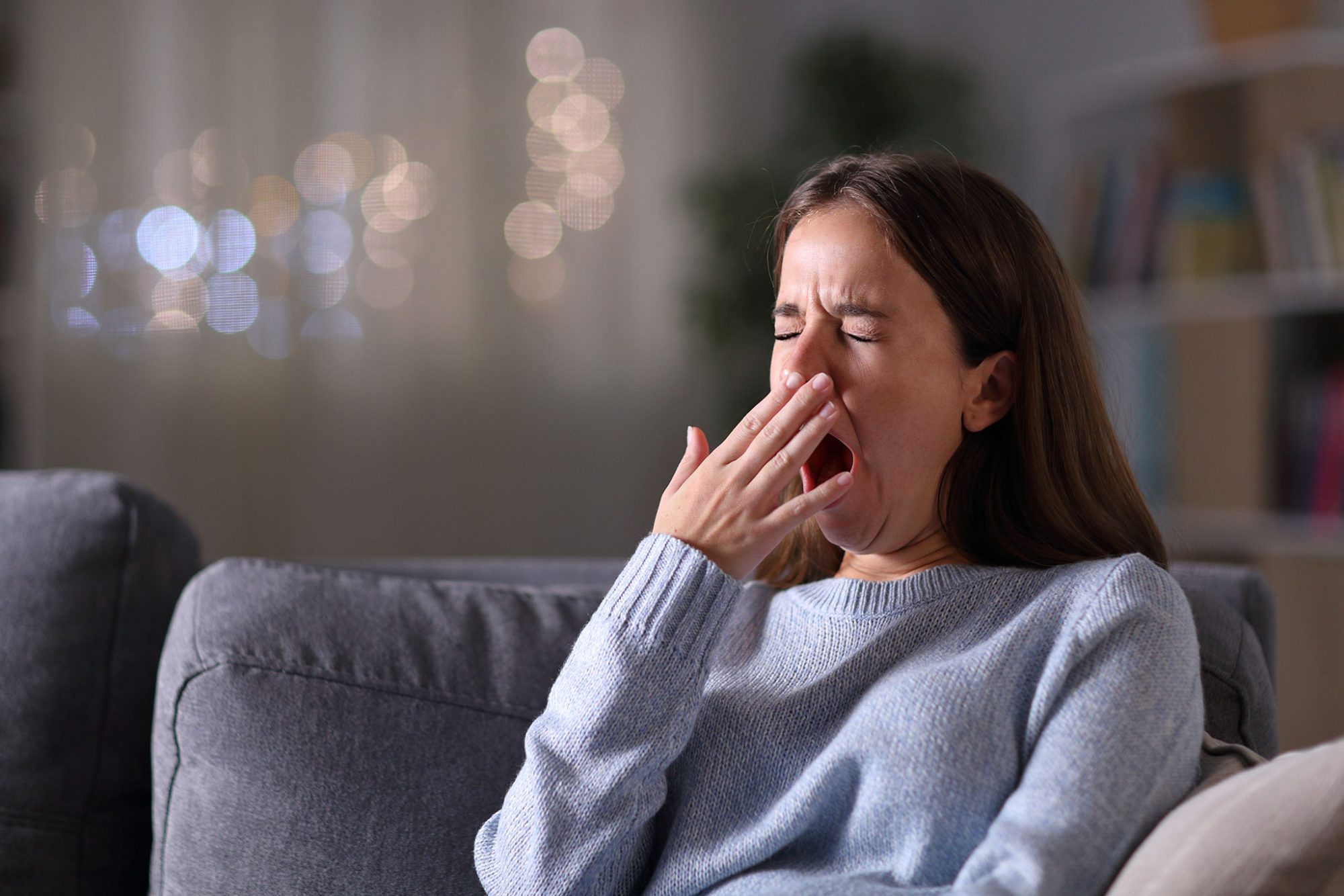
Key takeaways
- 38% of French people report suffering from at least one sleep disorder, and insomnia affects 15 to 20% of the population.
- An adult needs 7 to 9 hours of sleep per night, and consistency is just as important as duration.
- Chronic insomnia is defined as having three restless nights a week for more than three months.
- Lack of sleep has measurable effects on the heart, metabolism, the immune system, the brain, and mood.
- Restoring adequate sleep quickly improves several of these health indicators.
How many hours of sleep do we really need?
A sleep disorder is more than just a bad night’s sleep: it affects 38% of French people, and insomnia alone affects 15 to 20% of the population, with measurable effects on overall health—particularly on the heart, metabolism, and brain. If you’re trying to understand why you’re having trouble sleeping, what warning signs to look out for, and how to get better-quality sleep, you’ve come to the right place.
Most adults need 7 to 9 hours of sleep per night. Consistency is just as important as duration: going to bed and waking up at regular times helps the body establish a rhythm. Sleep also occurs in cycles of about 90 minutes, which affects the quality of rest. If you consistently get less than 6 hours of sleep per night, the effects on alertness and health become measurable.
Difficulty falling asleep—a common symptom of insomnia—along with waking up during the night and fragmented sleep, are the most common manifestations, and they have a real impact on quality of life, alertness, and mental health.
The following section helps you distinguish between the main types of sleep disorders, understand their effects on physical and mental health, identify common causes such as stress or nighttime pain, and discover practical tips for sleeping better, as well as situations in which it’s advisable to seek medical advice if these disorders persist.
What is chronic insomnia?
Chronic insomnia is defined—according to a standard definition—as difficulty falling asleep or waking up during the night at least three nights a week, persisting for more than three months, in accordance with international diagnostic criteria. Its consequences extend beyond the nighttime: research by Morin et al. (2011) demonstrates significant repercussions on fatigue and daily functioning. Among the observed symptoms is also irritability during the day.
Other disorders impair sleep quality without being immediately recognized: sleep apnea, periodic limb movements, restless legs syndrome, or hypersomnia—which should be distinguished from insomnia and often manifests as daytime sleepiness.
Why does a lack of sleep affect the entire body?
Getting too little sleep or poor-quality sleep is not without consequences. A meta-analysis of 13 studies involving more than 120,000 people showed that chronic insomnia increases the risk of cardiovascular disease—including high blood pressure, heart attack, and stroke—by about 45% (Sofi et al., 2014).
Lack of sleep also disrupts sugar metabolism: even after just a few nights of limited sleep, insulin sensitivity decreases in healthy adults (Spiegel et al., 1999). It also alters ghrelin and leptin, two key hormones involved in regulating appetite and satiety, leading to more cravings and an increased risk of becoming overweight (Taheri et al., 2004).
Sleeping less than 6 hours a night also makes people more vulnerable to viral infections, particularly the common cold (Cohen et al., 2009; Prather et al., 2015). As for the brain, even after just one night of insufficient sleep, effects on concentration, memory, and decision-making can be observed. In the long term, sleep deprivation contributes to anxiety, irritability, and even mood disorders such as depression (Killgore, 2010). Finally, poor-quality sleep alters pain perception and lowers the pain tolerance threshold.
Insomnia, Stress, and Mood: A Vicious Cycle
The less we sleep, the more stressed we are. And the more stressed we are, the less we sleep: stress and anxiety are, in fact, among the most common factors contributing to sleep disorders. This isn’t just a feeling: a landmark study from as early as 1989 showed that persistent insomnia increases the risk of developing a psychiatric disorder in the years that follow, particularly depression (Ford and Kamerow, 1989). This is one of the reasons why it’s better to treat insomnia as it sets in rather than get used to it. Support from a loved one or a professional can also help reduce this anxiety and make it easier to manage the condition.
When Nighttime Pain Leads to Insomnia
Not all cases of insomnia are caused by stress or screen time. Physical pain that flares up at bedtime is a common cause of fragmented sleep: at night, immobility and certain sleeping positions make the discomfort harder to ignore, and sleep deprivation, in turn, lowers the pain tolerance threshold. It’s a vicious cycle.
This is particularly evident in the shoulder, where pain is often more pronounced when lying down than when standing. We explain this mechanism in detail—including specific positions and movements—in our article on shoulder pain that wakes you up at night, as well as the specific case of adhesive capsulitis. If you experience persistent shoulder discomfort, an ergonomic shoulder pillow can help support your arm while you sleep.
How can you improve the quality of your sleep?
- Aim for 7 to 9 hours of sleep per night on a regular basis: simple lifestyle changes and good sleep hygiene practices can also improve sleep quality and help reset your body clock.
- Going to bed and waking up at set times, even on weekends, helps stabilize the sleep-wake cycle.
- Physical activity during the day also helps you sleep better.
- Limit screen time and stimulants at the end of the day: Excessive consumption of stimulants disrupts sleep, so it’s best to avoid coffee and alcohol in the evening, and smartphone and tablet use should be reduced before bedtime.
- Turning off screens 1 to 2 hours before bed can help boost melatonin production.
- Create the right atmosphere in the bedroom: Experts recommend creating an environment conducive to calm, since a noisy or brightly lit space can interfere with rest, and the ideal temperature is between 18 °C and 20 °C.
- Exposing yourself to daylight in the morning as soon as you wake up or during the day supports your circadian rhythm and sleep-wake cycle.
- Eat a light dinner and stop eating about 3 hours before bedtime.
- If you find yourself awake for an extended period, don't stay in bed for more than about 20 minutes.
- If you're tired, a short nap of 5 to 20 minutes is best.
- Practice a relaxation or breathing technique before bedtime to calm your mind and reduce certain factors that disrupt sleep.
- Check your bedding: An unsuitable mattress and a poorly fitted pillow—especially one that’s too high—can create pressure points and tension in the neck and shoulders, disrupting your sleep.
- If the difficulties persist despite these adjustments, talk to a professional: there are proven approaches and treatments available, including cognitive behavioral therapy for insomnia (CBT-I), and melatonin may sometimes be prescribed, depending on the situation.
Should you seek advice, and from whom?
If the symptoms persist for more than three months despite maintaining a regular schedule and good sleep hygiene, it is advisable to seek medical advice. Your primary care physician is the first point of contact: they can refer you to a sleep center if sleep apnea or another specific disorder is suspected. Sleep apnea involves repeated pauses in breathing, with intermittent hypoxia during the night, and the person often wakes up feeling unrested in the morning. These sleep-related breathing disorders impair quality of life and require appropriate treatment. Depending on the individual’s profile, other conditions or an underlying disease may also explain these symptoms. In cases of confirmed sleep apnea, a continuous positive airway pressure (CPAP) device may be one of the treatment options offered.
If waking up is clearly related to pain, the pain should be treated first: your primary care physician or a physical therapist can be more helpful in this case than a sleep evaluation alone. Pain that worsens at night, persistent stiffness, loss of strength, or difficulty raising your arm are reasons to seek medical attention immediately. Depending on the symptoms, consulting a sleep center or a specialized professional may also be helpful.
This article is intended for informational purposes only and is not a substitute for a personalized medical evaluation.
Frequently Asked Questions
How many hours of sleep do you need each night?
Most adults need 7 to 9 hours of sleep per night. The most reliable indicator is still waking up feeling rested without an alarm clock and not feeling sleepy during the day.
Can a lack of sleep really affect the heart?
Yes. Several studies link chronic insomnia to a significantly higher risk of cardiovascular disease—approximately 45 percent, according to a meta-analysis of more than 120,000 people (Sofi et al., 2014).
Can you catch up on lost sleep over the weekend?
Only partially. A longer night’s sleep helps you recover from immediate fatigue, but it does not offset the effects of chronic sleep deprivation that has persisted for several weeks, and shifting your sleep schedule on the weekend disrupts your rhythm for the following week, especially if you have circadian rhythm disorders or a desynchronized sleep-wake cycle.
What are circadian rhythm disorders?
Circadian rhythm disorders result from a disruption of the body’s internal clock, often caused by time zone changes, jet lag, or night shifts; light plays a key role in resynchronization, but these situations can lead to significant fatigue upon waking.
How long does it take for sleep to improve after changing your habits?
The beneficial effects of a return to a regular sleep schedule are often felt within a few weeks. The time it takes varies from person to person, depending on the cause of the sleep disorder and the interplay between habits, environment, and biological rhythms.
Are nightmares and night terrors the same thing?
No. Nightmares occur mainly during REM sleep, and their content is often remembered upon waking; in some cases, the dream can even lead to physical action. Night terrors, on the other hand, occur during a different stage of sleep, with only partial awareness of the episode.
Can excessive sleepiness be a sign of a specific disorder?
Yes. Type 1 narcolepsy affects about one in 2,500 people and may require a specialist evaluation; certain neurological disorders, including Parkinson’s disease, can also be accompanied by excessive sleepiness.
Can pain disrupt sleep without us realizing it?
Yes. Moderate pain often goes unnoticed during the day, when movement and activity mask it, but then becomes noticeable once you lie down and causes brief awakenings that you don’t remember in the morning. This is common with shoulder pain: we explain this mechanism in detail in our article on shoulder pain that wakes you up at night.
Find all of our articles on sleep and the shoulder in our Observatory.
Sources
- Cohen et al., 2009. Sleep habits and susceptibility to the common cold. Archives of Internal Medicine. pubmed.ncbi.nlm.nih.gov/19139325
- Ford and Kamerow, 1989. Epidemiological Study of Sleep Disturbances and Psychiatric Disorders: An Opportunity for Prevention? JAMA. pubmed.ncbi.nlm.nih.gov/2769898
- Killgore, 2010. Effects of sleep deprivation on cognition. Progress in Brain Research. pubmed.ncbi.nlm.nih.gov/21075236
- Morin et al., 2011. Insomnia: Nature, Diagnosis, and Treatment. Handbook of Clinical Neurology. pubmed.ncbi.nlm.nih.gov/21056225
- Prather et al., 2015. Behaviorally Assessed Sleep and Susceptibility to the Common Cold. Sleep. pubmed.ncbi.nlm.nih.gov/26118561
- Sofi et al., 2014. Insomnia and the risk of cardiovascular disease: a meta-analysis. European Journal of Preventive Cardiology. pubmed.ncbi.nlm.nih.gov/22942213
- Spiegel et al., 1999. Impact of sleep debt on metabolic and endocrine function. The Lancet. pubmed.ncbi.nlm.nih.gov/10543671
- Taheri et al., 2004. Short sleep duration is associated with reduced leptin, elevated ghrelin, and increased body mass index. PLoS Medicine. pubmed.ncbi.nlm.nih.gov/15602591
- National Institute for Sleep and Vigilance (INSV), 2026. Sleep Day, press conference materials. institut-sommeil-vigilance.org